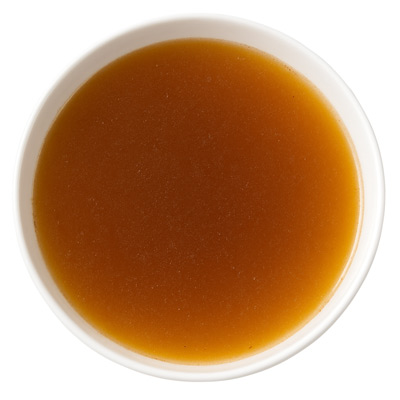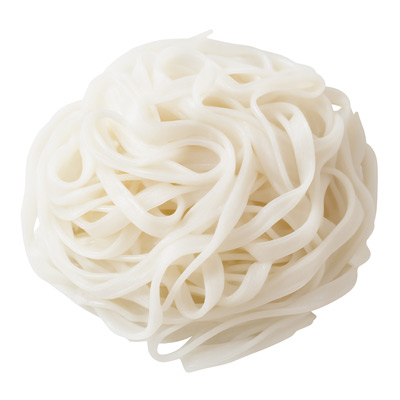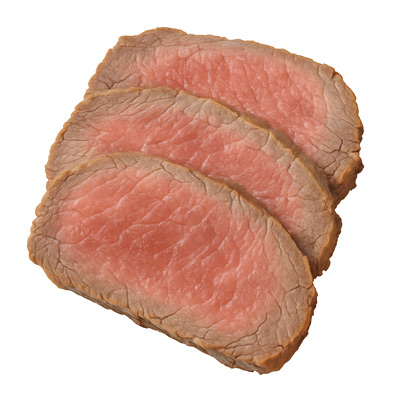
Pho (pronounced fuh) is a traditional Vietnamese noodle soup and an important part of Vietnam’s food culture. It is typically enjoyed as a warm, comforting bowl of rice noodles served in an aromatic broth, accompanied by a variety of toppings that can be chosen to suit individual tastes.
Known for its balance of flavour and satisfying simplicity, pho is widely appreciated as a comforting meal that can be enjoyed at any time of day.
Pho originated in Vietnam in the early 20th century and is widely understood to have developed through a combination of local rice noodle traditions and external culinary influences, including French pot‑au‑feu, a slow‑cooked dish made with meat and vegetables. Originally sold as street food, pho gradually became a staple of Vietnamese cuisine and is now enjoyed around the world.
As pho spread beyond its origins, regional variations emerged, each reflecting local preferences and ingredients. Some styles are light and subtle, while others are more aromatic and herb‑forward, offering a wide range of flavours that contribute to pho’s enduring appeal.
1 pack of VIFON instant pho
70 g cooked protein of your choice
A handful of bean sprouts
A squeeze of lime
Fresh herbs (such as coriander)
Sliced chilli or a little sriracha (optional)
Cook the VIFON instant pho according to the instructions on the pack (approximately 3 minutes).
Transfer the cooked pho to a serving bowl.
Add the protein, bean sprouts and fresh herbs.
Finish with a squeeze of lime and chilli or sriracha, if desired.
Serve immediately and enjoy.
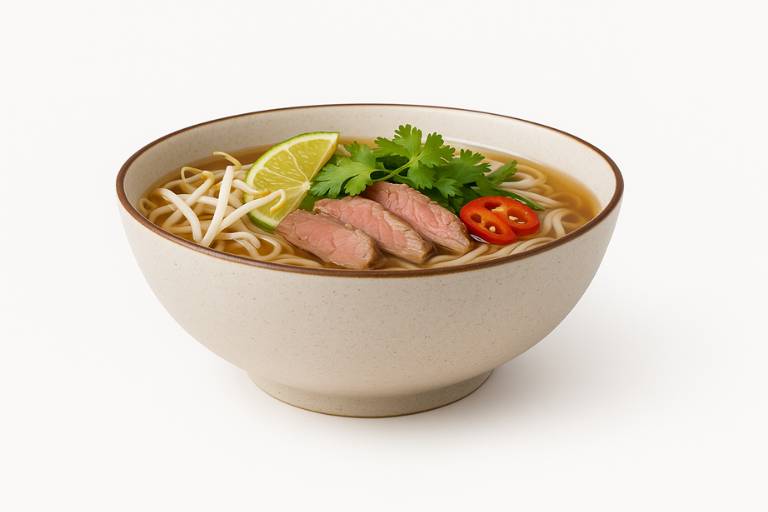
Pho is not just a noodle dish, it is a symbol of Vietnamese culinary identity. When people ask “What is pho?” the answer goes far beyond rice noodles and broth. True pho combines tradition, technique, and fresh ingredients to create a balanced meal that is satisfying, nutritious, and delicious. The classic version begins with a slow-simmered broth made from beef or chicken bones, seasoned with star anise, cinnamon, cloves, and other aromatic spices. This creates the signature aroma that makes pho instantly recognizable and universally loved.
One of the biggest reasons pho has become so popular around the world is its versatility. While traditional pho bò (beef pho) and pho gà (chicken pho) remain staples, modern variations include vegetarian pho, seafood pho, and even spicy fusion versions. This adaptability means that pho can cater to almost every palate and dietary need, which explains why so many people search for what pho is, how it’s prepared, and why it tastes so unique.
Pho is also considered a warm, comforting food that’s easy to personalize. You can add herbs for freshness, bean sprouts for crunch, or chili for heat. Part of what makes pho special is that customization; each bowl reflects the preferences of the person eating it. It’s not uncommon for families to have their own personal pho traditions, whether it’s a squeeze of lime, extra basil, or a drizzle of fish sauce.
Beyond the taste, pho has nutritional benefits. The broth provides protein and minerals, the rice noodles provide gluten-free carbohydrates, and the fresh herbs add vitamins and antioxidants. This combination makes pho a great choice for lunch, dinner, or even breakfast—especially in Vietnam, where pho is traditionally eaten in the morning.
Today, pho has earned its place as a global icon of Vietnamese cuisine. Whether enjoyed at a street stall in Hanoi, in a restaurant abroad, or made at home with instant pho, the essence remains the same: a bowl full of warmth, culture, and history.